Forest Hills, TN Neighborhood Guide
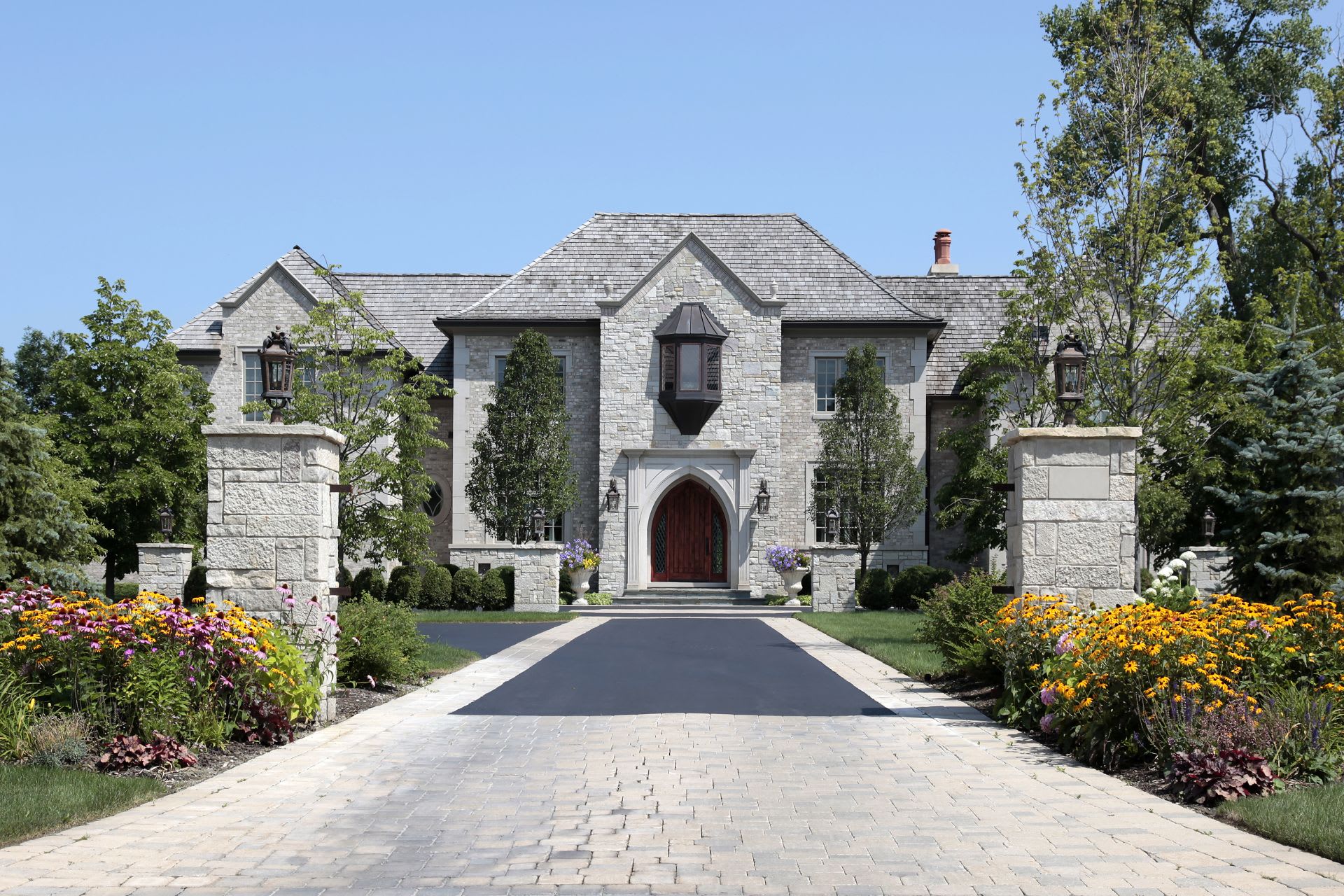
Forest Hills is Nashville's most private residential address. An independent city of 9.3 square miles tucked between Radnor Lake State Park to the east and Percy and Edwin Warner Parks to the west, it is one of the few places in a major American metro where residents can step from their back door onto 1,200 acres of state natural area, then drive to downtown Nashville in twenty minutes. No apartments, no condominiums, no retail clutter within city limits. Only homes, deep lots, wooded hills, and a quiet that is genuinely difficult to find this close to a city of Nashville's scale and energy.
Forest Hills was incorporated in 1957 and survived Nashville's 1963 city-county consolidation as one of five satellite cities that retained independent governance. Residents pay no property taxes to the city itself; Forest Hills funds its services through a share of state tax revenues, providing road maintenance, chipper service, stormwater management, and its own city hall and planning apparatus without placing a direct tax burden on homeowners. That arrangement, combined with Metro Nashville school access and proximity to Green Hills and Belle Meade retail, gives Forest Hills an enviable structural position that has attracted Nashville's most discerning buyers for decades.
This guide covers the history, lifestyle, real estate market, schools, amenities, residential settings, and investment picture for Forest Hills, Tennessee.
| Key Facts: Forest Hills, TN | |
|---|---|
| County | Davidson County, Tennessee |
| City Status | Independent incorporated municipality; retained independent governance when Nashville and Davidson County consolidated in 1963; own mayor, commissioners, city hall, and city court |
| Location | South Nashville / Southwest Davidson County; bordered by Green Hills to the north, Belle Meade to the northwest, Oak Hill to the southeast, and Brentwood to the south; approximately 10 miles from downtown Nashville |
| Population | Approximately 5,038–5,083 residents (2020 Census and recent estimates); median age approximately 48.2 years |
| Area | 9.3 square miles; among the largest of Nashville's satellite cities by land area |
| Incorporated | 1957; survived Nashville-Davidson County consolidation in 1963 as one of five retained satellite cities |
| Property Taxes | Residents pay no property taxes to the City of Forest Hills; city funds come primarily from a share of state tax revenues; Metro Nashville and Davidson County taxes apply as usual |
| ZIP Code | 37215 (primary); shared with Green Hills, which reinforces the corridor's school and amenity continuity |
| Average Household Income | Approximately $203,056 median; per capita income among the highest in Tennessee |
| Zoning | Almost 100% residential; single-family only; no apartments, condominiums, townhomes, or commercial retail within city limits; only one small commercial establishment (Granny White Market) |
| Lot Sizes | Most homes sited on 1–2 acre parcels; a small number on 10+ acres; consistent with the community's identity as a collection of country estates |
| Parks Bordering the City | Radnor Lake State Park (east; 1,332 acres); Percy Warner Park and Edwin Warner Park (west; 3,100+ acres combined); Bison Meadow wildflower park; John C. Lovell Bikeway connecting Percy Priest Elementary to Radnor Lake |
| School District | Metro Nashville Public Schools: Percy Priest Elementary (B+, Niche No. 3 elementary in Davidson County), John Trotwood Moore Middle School, Hillsboro High School; private options include Franklin Road Academy, Brentwood Academy, and others nearby |
| Market Profile | Ultra-luxury residential; median sale price approximately $2.0–$2.25 million; active listings ranging from $2.4 million to $7.5+ million; all single-family, no attached or multifamily inventory |
Forest Hills Lifestyle Snapshot
An editorial snapshot of the community's strongest lifestyle attributes, not a statistical ranking.
Community Overview
Forest Hills is best understood as a community of country estates that happen to be ten miles from downtown Nashville. The city's rolling hills, deep tree canopy, winding backroads, and 1-to-2-acre minimum lot scale give it a rural feel that its geography simply does not support in isolation. What makes Forest Hills exceptional is that this atmosphere of wooded retreat is not a trade-off. Residents are not giving up access to Nashville's world-class cultural, culinary, and commercial life. They are simply getting it from a quieter starting point.
The only commercial establishment within city limits is the Granny White Market, a small neighborhood grocery with the charm and character of a fixture that has served the community for generations. Everything else, the Mall at Green Hills, Whole Foods, the Bluebird Café, Vanderbilt Medical Center, a full range of restaurants and services, sits just outside Forest Hills' borders in the Green Hills and Belle Meade corridors. The city's insistence on its near-total residential character is not an oversight; it is the point.
Forest Hills is best for buyers who have reached a clear conclusion: they want the most private, most nature-adjacent residential setting available near a major American city, and they are not willing to give up access to that city's best schools, hospitals, parks, restaurants, and airports to get it. Forest Hills is where those two requirements meet.
History & Heritage
The land that is now Forest Hills carries human history stretching back to the 15th century, when it was home to the thriving Native American village now called Aaittafama'. After Nashville's founding in 1780, the area was carved into land grants awarded to Revolutionary War veterans. William Nash received a 640-acre grant along what is now Granny White Pike south of Tyne Boulevard. Nash sold parcels including a 160-acre tract to Henry Compton in the early 19th century, and the Compton and Scrugg family estates, whose homes still stand in Forest Hills today, defined the area's early residential character.
A veteran named McCrory acquired some 3,700 acres in Davidson and Williamson Counties and built a two-story log dwelling in 1798, one of the oldest surviving structures in the area. The area's picturesque countryside and proximity to Nashville attracted prominent families through the late 19th and early 20th centuries, when Hillsboro Pike and Old Hickory Boulevard properties became sites for larger estates designed in the Colonial, Georgian, and Federal styles that still anchor some of Forest Hills' most prestigious streets.
The city was incorporated in 1957. When Nashville and Davidson County consolidated their governments in 1963 to form Metro Nashville, Forest Hills was among just a handful of satellite cities that retained independent municipal identity, keeping its own mayor, commissioners, city court, and planning authority. That decision has shaped everything about the city since: its zoning, its tax structure, its refusal to permit commercial development, and its identity as a community that does not compromise on residential character.
Forest Hills does not receive property tax revenue. Its services are funded through the city's share of state taxes collected in Tennessee, a structural arrangement that eliminates one of the most significant costs of homeownership in comparable communities and adds a meaningful long-term financial advantage to owning here.
Map & Transportation
Forest Hills is a car-dependent community, and residents embrace that reality as an extension of the private, estate-scale lifestyle they have chosen. Hillsboro Pike (US Route 431) runs through the city as the primary north-south artery, connecting directly to Green Hills and the mall corridor to the north and to Brentwood and Franklin to the south. Old Hickory Boulevard provides east-west connectivity, and I-65 is accessible within minutes for travel toward downtown Nashville or toward the airport and Williamson County.
| Destination | Approximate Distance / Time | Route |
|---|---|---|
| Downtown Nashville | 10–11 miles / 18–25 min | Hillsboro Pike north through Green Hills, or I-65 north; consistent 20-minute commute on most days |
| Green Hills (Mall, Bluebird Café, Whole Foods) | ~2–3 miles / 5–8 min | Hillsboro Pike north; Forest Hills' primary retail and dining corridor is immediately adjacent |
| Radnor Lake State Park | Bordering east side / 2–5 min or walkable from select properties | Otter Creek Road or direct neighborhood trail connections; 1,332 acres of natural area immediately adjacent |
| Percy & Edwin Warner Parks | Bordering west side / 3–5 min | Old Hickory Boulevard or Hillsboro Pike north to Harding Pike west; 3,100+ acres with trails, golf, and the Iroquois Steeplechase |
| Vanderbilt University / Medical Center | ~7–8 miles / 12–18 min | Hillsboro Pike north to 21st Avenue South; highly relevant for faculty and healthcare professionals |
| Brentwood | ~4–5 miles / 8–10 min | Hillsboro Pike south; also accessible via Old Hickory Boulevard east to Franklin Road |
| Franklin (downtown) | ~12–14 miles / 18–25 min | Hillsboro Pike south through Brentwood; also via I-65 south |
| Nashville International Airport (BNA) | ~12 miles / 20–28 min | I-65 north to I-40 east; or Old Hickory Boulevard east to I-65; reliable 20-minute routing |
| Cheekwood Estate & Gardens | ~3–4 miles / 6–8 min | Old Hickory Boulevard west to Page Road; 55 acres of botanical gardens adjacent to the Warner Parks |
| Cool Springs / Brentwood retail | ~8 miles / 12–16 min | I-65 south; Costco, Target, and extensive retail and dining in the Cool Springs corridor |
The John C. Lovell Bikeway, a dedicated recreation path within Forest Hills, connects Percy Priest Elementary School to Radnor Lake and offers residents a car-free commute for school-age children and a pleasant daily cycling or walking option. It is one of the few purpose-built non-motorized connections in the community and a meaningful quality-of-life feature for active households.
Real Estate Market Trends
Forest Hills is one of the most tightly constrained luxury residential markets in Tennessee. The city's near-total single-family-only zoning, large minimum lot requirements, and limited total housing stock (approximately 1,818 housing units according to NeighborhoodScout) mean that supply cannot grow meaningfully. Every transaction is a resale, and comparables can be months apart. The median sale price in November 2025 was approximately $2,087,500, up 34.7% year-over-year according to Redfin data, a volatile reading that reflects the low transaction volume and the outsized impact of individual high-value sales. More stable long-term data shows median prices in the $2.0 to $2.25 million range, with active listings in August 2025 carrying an average asking price of $4,190,083 and a range from $2.4 million to $7.5 million.
The median house value reported by NeighborhoodScout for Q2 2025 was $1,270,362 across all housing types, reflecting the full spectrum including some older, less-updated ranches in the lower tier of the market. For buyers targeting the newer or recently renovated estate segment, prices begin meaningfully above $2 million. Forest Hills is not a market where buyers should rely on broad regional medians; each property requires individual analysis based on lot size, acreage, condition, renovation level, street address, and natural screening.
| Property Segment | Market Character | Buyer Consideration |
|---|---|---|
| Mid-century estates (1950s–1970s originals) | Classic brick ranches and early estate-style homes built when Forest Hills was first developed; typically on the most generous lots; some remain unrenovated, offering significant upside; others have been extensively reimagined | Lot size and tree coverage often matter more than the existing structure for this segment; buyers should consider rebuild and renovation potential as much as current condition |
| Renovated and expanded estate homes | A substantial portion of Forest Hills' inventory consists of mid-century foundations that have been comprehensively updated and expanded; common transformation includes additions, new primary suites, open-plan main levels, and pool installations | Review renovation quality, permit history, and remaining deferred maintenance carefully; the best renovations by established Nashville architects hold value strongly across cycles |
| New custom construction | A consistent stream of custom-built homes on infill lots and teardown sites; Colonial, Georgian, modern transitional, and contemporary styles all appear; typically 5,000–10,000+ sq ft; pricing from $3M to $7.5M+ depending on size, finishes, and lot | Verify build quality, architect reputation, and site selection; some new construction on tighter lots sacrifices the privacy and natural screening that defines Forest Hills at its best |
| Gated and private-drive properties | A portion of Forest Hills' most valuable properties sit behind gated entries or on private lanes with additional security and separation; these properties trade at a meaningful premium and rarely appear in public listing data until shortly before sale | Off-market access through well-connected local agents is often the only reliable path to these homes; buyer patience and network access are equally important |
| Historic estate properties | Several Forest Hills properties along Hillsboro Pike and Old Hickory Boulevard trace to the 19th and early 20th century; the oldest surviving structure, from the Compton family, is on the National Register of Historic Places | Historic properties require architects with preservation experience; buyers should review any deed covenants, preservation easements, and improvement restrictions before purchasing |
Because Forest Hills sales volume is low (typically fewer than 50–60 transactions per year across the entire city), buyers and sellers should approach pricing with especially careful comparable analysis. A single exceptional sale on a premium street can move reported medians dramatically, and a cluster of lower-tier renovations can mask what is happening at the top of the market. Working with an agent who has direct transaction history in Forest Hills specifically, rather than the broader 37215 ZIP, is a meaningful advantage.
Forest Hills' investment case is structural: the city cannot grow. There is no undeveloped land to absorb demand, no zoning flexibility to create new housing supply, and no commercial development to alter the residential character. Against a Nashville metro that continues to attract population, employers, and capital, that fixed supply is a permanent and compounding advantage for property owners.
Lifestyle
Forest Hills lifestyle is defined by what it excludes as much as what it offers. There is no commercial corridor to generate noise or traffic. There are no apartment buildings to change the density of any street. There are no chains, no drive-throughs, no retail parks within city limits. What there is: morning wildlife encounters at Radnor Lake, afternoon trail runs in the Warner Parks, evenings that begin with a short drive to Green Hills and end in the deep quiet of a wooded hillside property. For a certain kind of buyer, that exchange is the entire point.
Radnor Lake State Park
Radnor Lake directly borders Forest Hills on the east side, with 1,332 acres of state natural area offering shaded trail loops, a tranquil lake, exceptional bird watching (one of the best in the Southeast), and abundant wildlife. For select properties, the park is accessible from the back yard. For all others, it is a 5-minute drive.
Percy & Edwin Warner Parks
The Warner Parks border Forest Hills to the west with 3,100+ acres of hiking trails, equestrian paths, two golf courses (Harpeth Hills and Percy Warner), picnic areas, and the famous Allée staircase. The Iroquois Steeplechase and Full Moon Pickin' Parties bring the broader Nashville community to these parks each year.
Richland Country Club
The 170-acre Richland Country Club sits on the former site of the Battle of Nashville and has been a Forest Hills institution since 1901. Members enjoy golf on historic grounds, tennis, swimming, dining, and a social calendar that reflects the community's established character. Membership is the primary social anchor for many longtime residents.
John C. Lovell Bikeway
A dedicated bikeway within Forest Hills connects Percy Priest Elementary School to Radnor Lake, providing a car-free recreation and school commute option. It represents the kind of thoughtful infrastructure investment that distinguishes Forest Hills' approach to maintaining quality of life without compromising its residential character.
Granny White Market
The only commercial establishment within Forest Hills, the Granny White Market is a small neighborhood grocery with deep community ties. It functions less as a convenience store and more as a social institution, the place where neighbors cross paths and the quiet fabric of community life reveals itself.
Bison Meadow Wildflower Park
A 2-acre prairie within Forest Hills featuring rare wildflowers and natural grasses, maintained as a community nature space. A small reflection of the city's commitment to preserving natural character within its residential footprint rather than filling every available parcel with built development.
Amenities
Forest Hills deliberately keeps its within-city amenity footprint minimal. The Granny White Market is the only retail establishment inside city limits, and the city maintains its parks, bikeways, and public spaces without introducing the commercial infrastructure that would alter its residential character. For everything else, residents depend on the adjacent Green Hills and Belle Meade corridors, which supply one of the most complete everyday amenity sets in the American South within a 5-minute drive of any Forest Hills address.
| Category | What's Available |
|---|---|
| Within Forest Hills | Granny White Market (neighborhood grocery); Richland Country Club (golf, tennis, swimming, dining); Bison Meadow wildflower park; John C. Lovell Bikeway; Radnor Lake and Warner Parks access; winding residential roads maintained by city public works |
| Grocery & Everyday (nearby) | Whole Foods and Trader Joe's in Green Hills (~5 min north); Harris Teeter and specialty grocers along Hillsboro Pike; Costco and Target in Cool Springs (~10 min south via I-65) |
| Dining (nearby) | Full Green Hills dining corridor including True Food Kitchen, Josephine, and independent restaurants; Bluebird Café and Parnassus Books for culture; Belle Meade restaurant corridor (Sperry's, Belle Meade Meat and Three) immediately adjacent |
| Shopping (nearby) | The Mall at Green Hills (Nordstrom, Saks Fifth Avenue, Louis Vuitton, Apple) and Hill Center (Whole Foods, Anthropologie, Lululemon, Pottery Barn, REI) directly accessible via Hillsboro Pike north; no more than 5–8 min from central Forest Hills |
| Parks & Recreation | Radnor Lake State Park (east border; trails, wildlife, lake); Percy and Edwin Warner Parks (west; 3,100+ acres; hiking, equestrian, golf); Richland Country Club (golf on Battle of Nashville site); Cheekwood Estate & Gardens (~8 min); Nashville Zoo (~10 min) |
| Healthcare | Ascension Saint Thomas Hospital West (nearest major hospital); Vanderbilt University Medical Center (~15 min north); extensive specialist practices and urgent care in the Green Hills and Green Hills–Belle Meade corridor |
| Arts & Culture | Cheekwood Estate & Gardens (botanical gardens, rotating art exhibitions); Bluebird Café; Parnassus Books; downtown Nashville's Ryman Auditorium, Country Music Hall of Fame, and Grand Ole Opry within 20–25 minutes |
| Airport | Nashville International Airport (BNA) approximately 12 miles northeast; typical drive 20–28 minutes via I-65 or Old Hickory Boulevard; direct flights to major hubs and growing national destinations |
Forest Hills' amenity model is the purest expression of its philosophy: nothing commercial within the city, maximum natural access at every door, and a complete range of urban services within five minutes of any address. Buyers who find that combination unusual have usually never experienced it. Those who have rarely look anywhere else.
Residential Pockets & Subdivisions
Forest Hills' 9.3 square miles encompass a range of residential pockets with distinct characters. The northern end, closest to Green Hills, carries the most active market and the widest range of home styles and price points. The southern half, anchored by the Richland Country Club corridor and the Otter Creek area, has the deepest sense of seclusion and the most consistent estate-scale properties. Several named subdivisions define the character of specific streets within this geography.
Tyne Meade & Chickering Parks (North)
The northern end of Forest Hills, closest to Green Hills, includes Tyne Meade Estates, Chickering Hills, and Chickering Valley, developed primarily in the 1950s with classic mid-century brick ranches. Many have been significantly renovated or expanded and represent some of the best value-for-address opportunities in the city.
Tyne Boulevard & Tyne Valley Estates
Tyne Boulevard and its adjacent estates carry one of Forest Hills' most prestigious addresses profiles, with larger parcels, mature canopy coverage, and significant new construction alongside renovated originals. Properties here attract buyers who want the full Forest Hills estate experience close to the Green Hills border.
Hounds Run & Otter Wood
Quieter interior streets with substantial wooded coverage, private driveways, and a depth of seclusion that even Forest Hills' broader residential fabric does not always deliver. These pockets attract buyers who specifically want to minimize visibility from the road and maximize the sense of retreat.
Otter Creek Estates (South)
The southern end of Forest Hills, bordering Radnor Lake on the east and carrying the city's deepest equestrian and country-estate character. Properties here sit on some of the most generous lots in the city, with the Richland Country Club adjacent and Brentwood easily accessible to the south.
Hillsboro Pike Corridor Estates
Large properties along the primary north-south corridor include some of Forest Hills' oldest and most historically significant homes, dating to the 19th and early 20th centuries. This corridor carries the highest architectural prestige and some of the city's most imposing streetscapes.
Bancroft & Gated Communities
Bancroft and other private-drive or gated subdivisions within Forest Hills offer an additional layer of security and separation within an already private city. These properties rarely appear in public MLS data until actively listed and are often acquired through private and off-market channels.
| Area / Subdivision | Character | Best For |
|---|---|---|
| Tyne Meade / Chickering Parks | Northern Forest Hills; mid-century foundations, many renovated; most accessible price entry; closest to Green Hills | Buyers entering Forest Hills who want to maximize Green Hills proximity and renovation upside |
| Tyne Boulevard / Tyne Valley | Prestige address; larger parcels; significant new construction and renovated estates; active resale market | Buyers seeking the full Forest Hills estate profile with strong market liquidity |
| Hounds Run / Otter Wood | Deep interior; maximum privacy; wooded and screened; quieter roads | Buyers who prioritize seclusion and minimal road visibility above all else |
| Otter Creek Estates | Southern Forest Hills; Radnor Lake border; generous lots; classic country-estate feel | Outdoor-focused buyers who want Radnor Lake steps from home and Brentwood within minutes |
| Hillsboro Pike corridor | Historic and architecturally significant properties; highest prestige streetscape; some National Register homes | Buyers drawn to architectural heritage, historic character, and Forest Hills' most iconic addresses |
| Bancroft / gated communities | Maximum security; private lanes; off-market availability; premium pricing | Buyers requiring the highest level of privacy and security within an already private city |
Schools
Forest Hills shares the 37215 ZIP code with Green Hills and the same Metro Nashville Public Schools attendance zones. Percy Priest Elementary, which serves the Otter Creek and southern Forest Hills areas, is ranked the No. 3 best elementary school in Davidson County by Niche and carries a B+ grade with a 14:1 student-teacher ratio. Families in northern Forest Hills may fall in the Julia Green Elementary zone, one of Nashville's most sought-after public elementary assignments. Both pathways feed into John Trotwood Moore Middle School and Hillsboro High School.
| School | Type / Grades | Notes |
|---|---|---|
| Percy Priest Elementary School | Public elementary; Metro Nashville Public Schools | Niche B+ grade; ranked No. 3 elementary school in Davidson County; student-teacher ratio approximately 14:1; serves Otter Creek and southern Forest Hills; one of the Metro Nashville system's most consistently praised elementary schools |
| Julia Green Elementary School | Public elementary; Metro Nashville Public Schools | Niche A– grade; serves parts of northern Forest Hills and the Green Hills corridor; student-teacher ratio approximately 15:1; a primary demand driver for residential properties in this attendance zone; buyers should verify zoning by specific address |
| John Trotwood Moore Middle School | Public middle school; Metro Nashville Public Schools | Niche B+ grade; serves the Forest Hills and Green Hills feeder; student-teacher ratio approximately 19:1; strong academic programming and extracurricular options |
| Hillsboro Comprehensive High School | Public high school; Metro Nashville Public Schools | Niche B grade; ranked No. 5 best magnet high school in Nashville; serves Forest Hills, Green Hills, and Belle Meade; strong college preparation, arts, and athletics |
| Franklin Road Academy | Private; preK–12 | Well-regarded independent school in the Forest Hills–Brentwood corridor; accessible within minutes of most Forest Hills addresses; strong academic culture and community-focused environment |
| Brentwood Academy | Private; grades 6–12 | One of Tennessee's most respected independent schools; located in Brentwood, a 10-minute drive from Forest Hills; consistently strong college preparation and athletics |
| Harpeth Hall School | Private; girls' school, grades 5–12 | One of Tennessee's most distinguished private schools; 2–3 miles from Forest Hills via Hillsboro Pike; rigorous academics and strong college placement |
| Montgomery Bell Academy (MBA) | Private; boys' school, grades 9–12 | Elite all-boys preparatory school nearby; nationally recognized debate program; accessible from Forest Hills via Harding Pike |
| Currey Ingram Academy | Private; preK–12 (learning diversity focus) | Specialist school for students with diverse learning profiles; located in Brentwood within easy reach of Forest Hills |
Forest Hills families benefit from two of Davidson County's most sought-after public elementary school assignments (Percy Priest and Julia Green), plus proximity to the strongest cluster of private school options in Middle Tennessee, including Franklin Road Academy and Brentwood Academy to the south and Harpeth Hall and Montgomery Bell Academy to the north. Buyers should verify current Metro Nashville attendance zone assignments by specific property address, as boundaries are subject to periodic adjustment.
Percy Priest Elementary's No. 3 Davidson County ranking and Julia Green's consistent A– Niche grade give Forest Hills buyers two of Metro Nashville's most credible public school pathways from a single city address. Combined with the private school corridor in both directions, the educational options available from Forest Hills are among the most complete of any Tennessee residential community.
Investment Potential
Forest Hills' investment case is one of the clearest in Tennessee real estate: fixed supply, growing demand, and structural constraints that cannot be engineered away. The city's almost 100% residential zoning, large-lot requirements, and independent municipal status prevent the density and commercial incursion that gradually erode residential character in less protected communities. Nashville will grow; Forest Hills will not. That asymmetry is a durable and compounding investment thesis.
| Market Snapshot | |
|---|---|
| Median sale price (Nov 2025) | ~$2,087,500; up 34.7% YOY (low-volume market; individual sales move medians) |
| Stable median range | $2.0M–$2.25M based on longer trend data; Jan 2025 median $2,175,000 (+11.5% YOY) |
| Active listings (Aug 2025) | 12 properties; avg listing price $4,190,083; range $2.4M–$7.5M+ |
| Days on market | 50–66 days average; homes selling approximately 5% below list price |
| Total housing units | Approximately 1,818; no new supply possible at scale |
| Investment Fundamentals | |
|---|---|
| Primary value driver | Structural scarcity in a growing major metro; near-zero new supply capacity; zoning permanently protects residential character |
| Buyer profile | Nashville executives, healthcare and legal professionals, out-of-state relocators from high-cost metros, established Nashville families, and privacy-focused buyers at the top of their earning years |
| Rental potential | Limited; Forest Hills is overwhelmingly owner-occupied with high homeownership rates; short-term rentals are culturally atypical; long-term rental demand exists but is not the primary investment thesis |
| No city property tax | Forest Hills levies no city property tax; only Metro Nashville and Davidson County taxes apply; a meaningful structural financial advantage for long-term owners |
| Long-term appeal | Fixed supply, privacy, natural access, school quality, no city tax burden, and Nashville's continued growth as a major economic center |
The no-city-property-tax structure deserves special emphasis for investment-oriented buyers. In a community where homes are priced in the $2 million to $7 million range, the absence of a city tax layer represents a meaningful annual savings compared to incorporated municipalities of similar prestige. Over a 10- or 20-year ownership horizon, that structural advantage compounds significantly.
For buyers comparing Forest Hills with Belle Meade, Green Hills, or comparable communities in other Southern cities, the combination of larger lots, greater natural adjacency, no city property tax, and equivalent school and amenity access makes the value proposition difficult to match. The question is not whether Forest Hills delivers quality. It is whether the lifestyle of intentional privacy and nature-adjacency is what the buyer is seeking. For those who answer yes, there is rarely a compelling reason to look elsewhere.
Relocation Teaser
Forest Hills attracts a specific kind of buyer: one who has evaluated the full range of Nashville's residential options and concluded that maximum privacy, estate-scale land, 4,300 acres of adjacent parkland, no commercial intrusion, and a 20-minute commute to downtown is not a compromise but a priority. These are not buyers making their first Nashville purchase. They are buyers who understand the city well enough to know what Forest Hills offers that no other address in the metro can replicate.
For Nature Enthusiasts
Radnor Lake to the east and the Warner Parks to the west give Forest Hills residents access to over 4,300 acres of parkland from a single city address. Morning trail runs, bird watching, equestrian riding, and golf on historic grounds are available within five minutes of every home in the city.
For Privacy Seekers
No other address near a major American city delivers this combination of large wooded lots, minimal traffic, no commercial development, and deep natural screening. Forest Hills is the definition of living within ten miles of everything while feeling entirely removed from it.
For Families
Percy Priest Elementary (No. 3 in Davidson County) and Julia Green Elementary (A– Niche grade), combined with proximity to Harpeth Hall, Brentwood Academy, and Franklin Road Academy, give Forest Hills families one of the most complete educational menus in Middle Tennessee from a single city address.
For Nashville Executives
A 20-minute commute to downtown Nashville, 15 minutes to Vanderbilt Medical Center, and direct I-65 access to the airport and Williamson County employers give Forest Hills an exceptional executive commute profile without requiring any sacrifice in residential quality.
For Out-of-State Relocators
Buyers arriving from coastal luxury markets consistently discover that Forest Hills delivers comparable estate quality, superior lot size, richer natural access, and no state income tax at a significant discount to what comparable privacy and prestige would cost in comparable metros. That equation has been drawing relocation buyers to Forest Hills for years.
For Long-Term Owners
No city property tax, no new supply, Nashville's continued growth, and a community governed by residents who are deeply invested in protecting its character combine to make Forest Hills one of the most structurally sound long-term real estate positions in the American Southeast. Patience and quality of original purchase are consistently rewarded.
Frequently Asked Questions
Is Forest Hills its own city or part of Nashville?
Forest Hills is an independent incorporated municipality within Davidson County. When Nashville and Davidson County consolidated their governments in 1963 to form Metro Nashville, Forest Hills was one of five satellite cities that retained independent governance. It has its own mayor, board of commissioners, city hall, city court, and municipal departments including building and zoning, public works, and parks. Residents also receive certain services from Metro Nashville government and pay Metro Nashville and Davidson County taxes.
Do Forest Hills residents pay a city property tax?
No. The City of Forest Hills levies no property tax on its residents. The city funds its services, including road maintenance, stormwater management, parks, and administration, through a share of tax revenues collected by the State of Tennessee. Residents do pay Metro Nashville and Davidson County property taxes, as do all Davidson County residents. The absence of a city tax layer is a meaningful financial advantage for Forest Hills homeowners, particularly at the community's luxury price points.
Are there condos or apartments in Forest Hills?
No. Forest Hills is zoned almost 100% residential single-family. There are no apartments, condominiums, townhomes, or multifamily housing of any kind within the city limits. Every residential property is a detached single-family home on its own lot, which is the defining characteristic of Forest Hills' housing stock and one of the primary reasons buyers choose it over adjacent communities.
What are home prices like in Forest Hills?
Forest Hills is one of the most expensive residential markets in Tennessee. The median sale price in recent data ranges from approximately $2.0 million to $2.25 million for the stable long-term trend, with individual months showing higher readings due to the low transaction volume. Active listings as of August 2025 had an average price of $4,190,083 and ranged from $2.4 million to $7.5 million. Entry-level mid-century ranches in need of renovation may occasionally appear below $2 million. The market rewards quality of address, lot size, renovation level, and natural screening over raw square footage.
How close is Forest Hills to Radnor Lake?
Radnor Lake State Park directly borders Forest Hills on its eastern side. For properties in the Otter Creek area and along Otter Creek Road, the park is accessible within a short walk or a 2-minute drive. For properties in northern Forest Hills, it is typically a 5-minute drive. The park offers 1,332 acres of natural area with shaded hiking trails, a tranquil lake, some of the best bird watching in the Southeast, and exceptional wildlife viewing, all accessible without leaving the immediate neighborhood.
What schools serve Forest Hills?
Forest Hills is served by Metro Nashville Public Schools. Percy Priest Elementary (Niche B+, No. 3 elementary school in Davidson County) serves the southern Forest Hills and Otter Creek area. Julia Green Elementary (Niche A–) serves parts of northern Forest Hills. Both feed into John Trotwood Moore Middle School and Hillsboro Comprehensive High School. Private school options within 5–15 minutes include Franklin Road Academy, Brentwood Academy, Harpeth Hall, Montgomery Bell Academy, and Currey Ingram Academy. Buyers should verify school assignment by specific property address, as Metro Nashville attendance zones are subject to change.
How far is Forest Hills from downtown Nashville?
Forest Hills is approximately 10 to 11 miles from downtown Nashville. Most residents commute via Hillsboro Pike north or I-65 north, with a typical travel time of 18 to 25 minutes on a normal day. For context, this is comparable to or shorter than commutes from many East Nashville and North Nashville neighborhoods to the same downtown destinations.
Who is Forest Hills best suited for?
Forest Hills is best suited for buyers who have prioritized maximum residential privacy and natural access while retaining close proximity to Nashville's schools, healthcare, airports, and cultural amenities. It is a particularly strong fit for established Nashville families who want estate-scale lots and wooded seclusion; out-of-state relocators from high-cost coastal markets who recognize the value proposition; executives and healthcare professionals who can commute 20 minutes to downtown or Vanderbilt; nature enthusiasts who want daily access to Radnor Lake and the Warner Parks; and long-term owners who want a structurally protected asset in Nashville's most resilient residential corridor.